Solar Coaster 101
The Solar Coaster is a term as ancient as Noah’s Ark among those in the solar industry. In a sentence, it means that working in the solar industry is a wild ride. This is true mostly because of how closely the industry and its success are tied to legislation.
Solar modules produce terawatts of energy each year in the United States, but that energy was hard won. Solar has traditionally been an expensive energy source and for much of its history has been dependent on government incentives. Over the last two decades, the solar industry has been shaped by federal tax credits, state renewable energy standards, local incentives, and the ebb and flow of administration priorities.
Just when the industry finds its footing, the policy landscape shifts—often dramatically.
Why the Solar Industry is a Rollercoaster Ride
The Solar Coaster is driven by two major factors: policy volatility and seasonal fluctuations.
- Policy Volatility
Government policy—whether through tax incentives, grants, or regulatory changes—has always had an outsized impact on solar development. Unlike fossil fuel industries, which have been subsidized for over a century, solar has required targeted policy support to compete. When incentives are stable, the industry thrives. When they change, the industry scrambles.
Examples of major policy-driven swings in the past include:
• The introduction of the Investment Tax Credit (ITC) in 2005, which led to massive solar adoption.
• The Section 201 solar tariffs under the Trump administration, which slowed module imports and disrupted supply chains.
• The passage of the Inflation Reduction Act (IRA) in 2022, which supercharged solar investment and provided historic funding for clean energy.
Each of these policy shifts created either a surge or a crash in the market, forcing developers, investors, and installers to adapt quickly.
- Seasonal Fluctuations
On top of policy swings, which are sometimes unpredictable and come suddenly, the solar industry also has much more predictable natural seasonal cycles. Solar installations in the U.S. slow down in winter due to shorter daylight hours, adverse weather conditions, and year-end holidays. Solar sales also slow down from about mid-November to mid-March. There’s just something about the winter months (even in sunny California where it’s 85 degrees on Christmas) that gets people’s minds off of solar energy. Meanwhile, Q4 is typically a mad dash for installers and developers to complete projects before tax incentives expire or before the new fiscal year.
Add in unpredictable supply chain disruptions (like those seen during the COVID-19 pandemic) and you have an industry that is always adapting to new challenges.
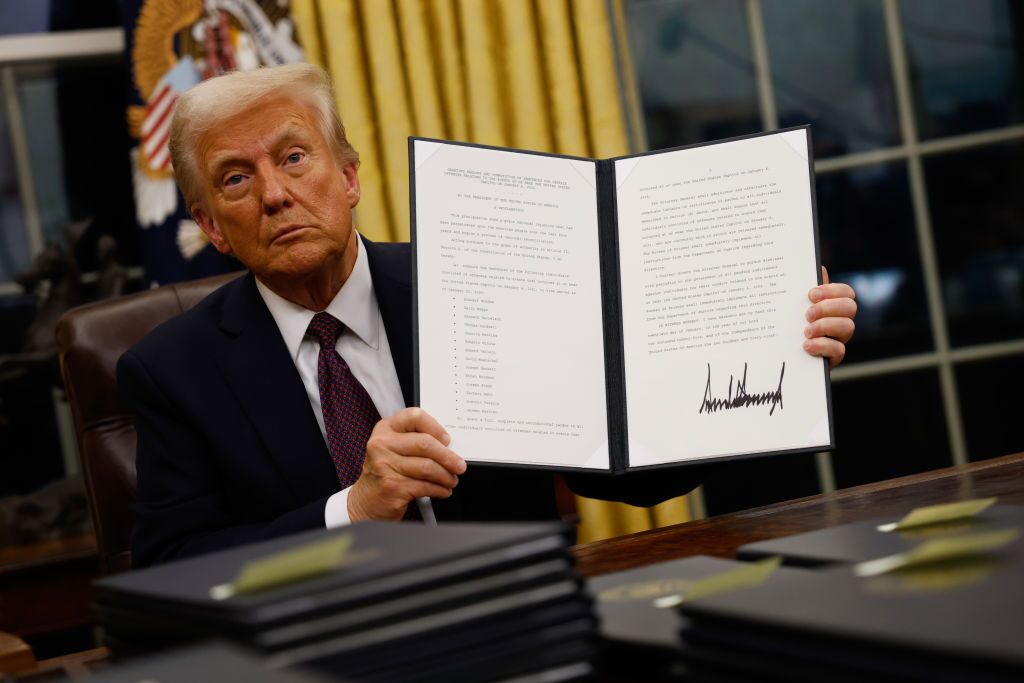
Executive Order 14154 & OMB Memo 1-27: A Hard Turn on the Solar Coaster
Two recent policy moves are threatening to send the Solar Coaster on another steep drop:
• Executive Order 14154 (Unleashing American Energy)
• OMB Memo 1-27 (Temporary Pause of Agency Grant, Loan, and Other Financial Assistance Programs)
EO 14154: Unleashing American Energy
President Trump’s Executive Order 14154 aims to prioritize domestic fossil fuel production and reassess funding for renewable energy programs established under the Biden administration.
The biggest impact? A freeze on Inflation Reduction Act (IRA) funding.
The IRA has been the biggest boost the solar industry has ever seen. Its provisions included:
• Prevailing wage and apprenticeship rules that increased wages for solar installers.
• Bonus tax credits for projects in energy communities (+10%), low-income areas (+10%), and those using domestic content (+10%).
• Direct pay for tax-exempt entities, allowing municipalities, schools, and nonprofits to access solar incentives as cash grants.
By freezing IRA funding, EO 14154 has put all these benefits on hold. This means:
1. Many planned projects relying on these incentives are now uncertain.
2. Investors may hesitate to finance solar deals due to uncertainty.
3. Installers and developers could see a slowdown in demand.
The Trump administration has stated that this is a temporary freeze while it reviews the use of funds. But in the meantime, the uncertainty alone is enough to chill investment and slow down the momentum that the IRA created.
OMB Memo 1-27: The Funding Pause That Could Halt Projects
Adding to the uncertainty, the Office of Management and Budget (OMB) Memo 1-27 issued a temporary pause on agency grant, loan, and financial assistance programs.
This has a major impact on:
• USDA REAP Grants that help rural businesses and farmers afford solar.
• DOE loan guarantees that support large-scale commercial solar projects.
• State-level clean energy grants that rely on federal funding.
For commercial and industrial (C&I) solar developers, this means:
• Delayed or canceled projects that were banking on these funds.
• Increased reliance on private financing in an uncertain environment.
• Slower adoption by non-profits, municipalities, and other tax-exempt entities that benefited from direct pay provisions.
Lawsuits were immediately filed by many concerned parties nationwide and a federal judge put a 2-day stay on the executive order to allow time for due process of litigation. The Trump Administration has since rescinded OMB Memo 1-27, but, according to the Trump administration, it has not rescinded the freeze on federal grant funding, which is still in full force and effect. It simply rescinded the OMB Memo because of the backlash against some inflammatory language used within in the memo.
The combined effect of EO 14154 and OMB Memo 1-27 is a market freeze, where developers and investors are forced to wait and see before committing to new projects.
Where Do We Go from Here?
- Stay Agile and Diversify
The most resilient companies in the solar industry have always been those that adapt quickly. In the face of this funding freeze, developers may need to:
• Focus on projects that don’t rely on IRA incentives (e.g., PPAs with strong financials).
• Seek alternative funding sources (state-level incentives, green banks, private capital).
• Diversify into energy storage, which may see different policy treatment than solar.
- Engage in Policy Advocacy
Industry stakeholders need to push back against funding freezes and ensure that solar remains a key part of America’s energy strategy. Organizations like SEIA, Vote Solar, and state solar associations are already mobilizing.
- Be Ready for the Next Climb
If history has taught us anything, it’s that the Solar Coaster always goes back up. If this is a temporary freeze, we may see a surge of activity once funding is released. Developers who stay ready, keep projects in the pipeline, and maintain relationships with financiers will be best positioned to capitalize when the market rebounds.
Final Thoughts
The Solar Coaster is in full swing once again. Executive Order 14154 and OMB Memo 1-27 have introduced uncertainty into an industry that thrives on stability. All this in the middle of the winter!
But while this moment may be challenging, it’s not the first—and won’t be the last—shake-up for solar. The companies that adapt, advocate, and prepare for the next upswing will come out ahead.
For now, hold on tight. The ride isn’t over.
 Iceberg Energy